
A damaged tooth can affect more than your appearance. It can make chewing uncomfortable, change the way you speak, and even impact your confidence. If you’re visiting a dental office in Fort Myers, you may hear two common treatment options recommended: dental crowns and dental bridges. While both restore your smile, they solve different problems. Understanding how each treatment works can help you make an informed decision with your dentist.
What Is a Dental Crown?
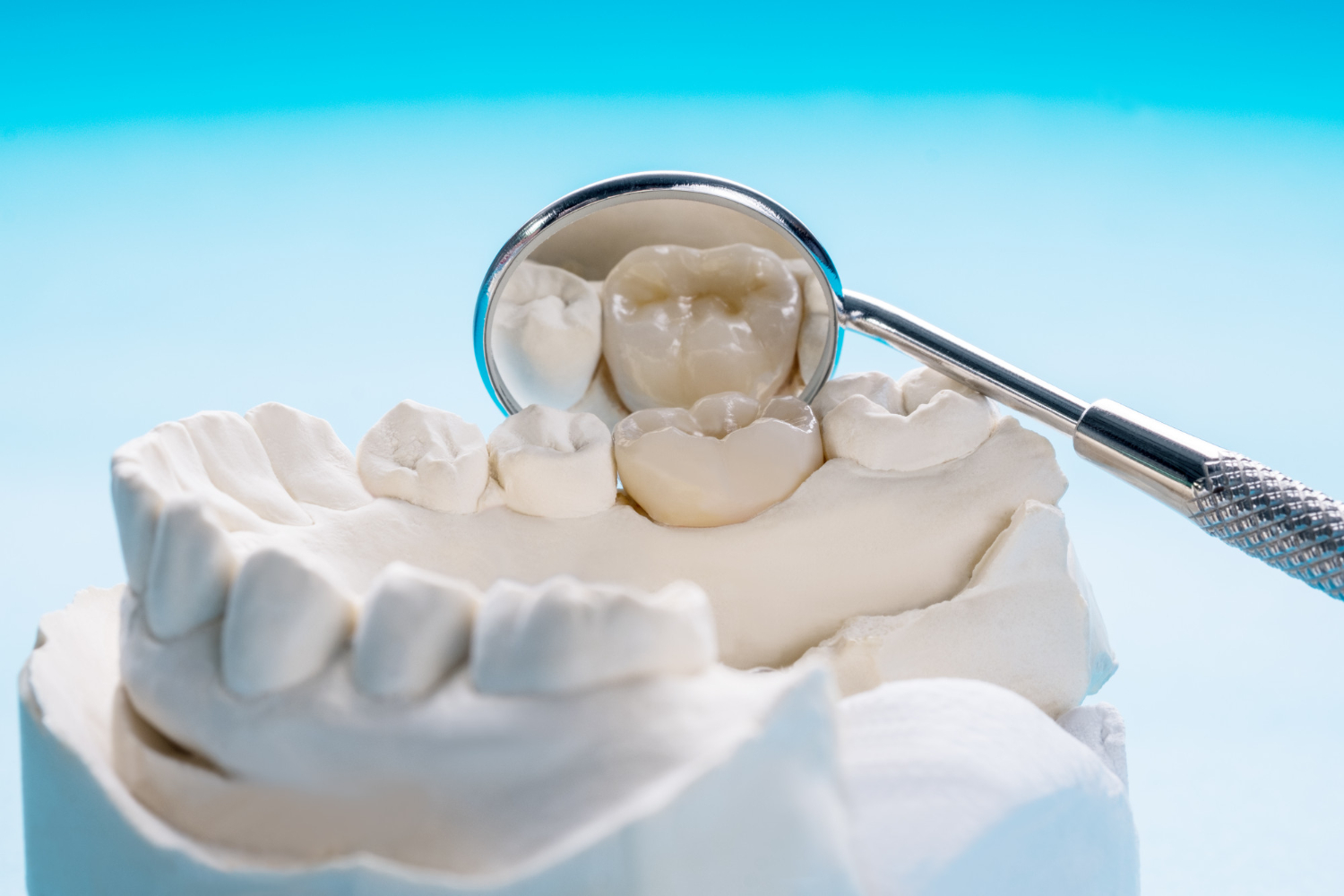
A dental crown is a custom-made cap placed over a damaged or weakened tooth. It restores the tooth’s shape, size, strength, and appearance while protecting it from further damage.
Many patients choose dental crowns in Fort Myers when a tooth is cracked, severely worn, has a large filling, or has undergone a root canal.
A crown may be recommended to:
- Protect a weakened tooth.
- Restore a broken or worn tooth.
- Cover a dental implant.
- Improve the appearance of a misshapen or discolored tooth.
- Support a tooth after root canal treatment.
Because the natural tooth remains in place, a crown helps preserve your existing tooth structure whenever possible.
What Is a Dental Bridge?
A dental bridge replaces one or more missing teeth by using neighboring teeth or dental implants for support. Artificial teeth, called pontics, fill the gap and restore your smile.
People who have missing teeth often choose dental bridges in Fort Myers because they restore everyday function while helping keep nearby teeth from shifting out of place.
A bridge may help:
- Replace missing teeth.
- Improve chewing ability.
- Restore clear speech.
- Maintain facial shape.
- Keep the surrounding teeth properly aligned.
Bridges are designed to blend naturally with your existing teeth while improving everyday comfort.
Crowns vs. Bridges: What’s the Difference?
Although both treatments restore smiles, they are used for different situations.
A dental crown is typically recommended when:
- The tooth is still present.
- The tooth can be repaired.
- Additional protection is needed.
A dental bridge is often recommended when:
- One or more teeth are missing.
- The surrounding teeth are healthy enough to provide support.
- Replacing missing teeth improves function and appearance.
After evaluating your oral health, your dentist will recommend the treatment that best fits your individual needs.
Which Option Lasts Longer?
Both crowns and bridges are durable when properly cared for. Their lifespan depends on several factors, including oral hygiene, daily habits, and regular dental visits.
To help your restoration last longer:
- Brush twice daily.
- Floss carefully around restorations.
- Avoid chewing hard objects like ice.
- Wear a nightguard if you grind your teeth.
- Schedule routine dental checkups.
With proper care, many restorations continue functioning well for many years.
How Does Your Dentist Choose the Right Treatment?
No two smiles are exactly alike. Your dentist evaluates several factors before recommending treatment, including:
- The condition of the damaged tooth.
- Whether teeth are missing.
- Bone and gum health.
- Bite alignment.
- Overall oral health.
- Your long-term treatment goals.
A personalized treatment plan helps ensure the restoration supports both function and appearance.
Why Prompt Treatment Matters
Delaying treatment for damaged or missing teeth can lead to bigger oral health problems over time. A weakened tooth may worsen, nearby teeth can gradually shift out of place, and everyday activities like chewing may become more challenging.
If you’re searching for a dental office near you, schedule an evaluation sooner rather than later. Early treatment allows your dentist to address the problem before it becomes more serious, helping protect your natural teeth and support a healthy smile for years to come.
Ready to Restore Your Smile?
If you have damaged or missing teeth, the team at Truax Downtown Dental is ready to help. Book your consultation today to learn about your treatment options and take the first step toward a healthier, more confident smile.
FAQs
How do I know if I need a crown or a bridge?
Your dentist evaluates your teeth, gums, and overall oral health before recommending the most suitable restoration.
Are dental crowns painful to receive?
Most patients remain comfortable because local anesthesia is used during crown preparation and placement procedures.
Can a bridge replace several missing teeth?
Yes. Dental bridges can replace one or multiple missing teeth, depending on your individual treatment needs.
How long do crowns and bridges usually last?
With good oral care and regular dental checkups, both crowns and bridges can last for many years.
Can I eat normally after getting a crown?
Yes. Once properly adjusted, crowns allow comfortable chewing while effectively protecting your natural tooth structure.
How should I care for my restoration?
Brush daily, floss carefully, attend regular checkups, and consistently avoid chewing excessively hard objects whenever possible.